If you can't measure it, you can't improve it.
If you can't tie it to revenue, why are you doing it?
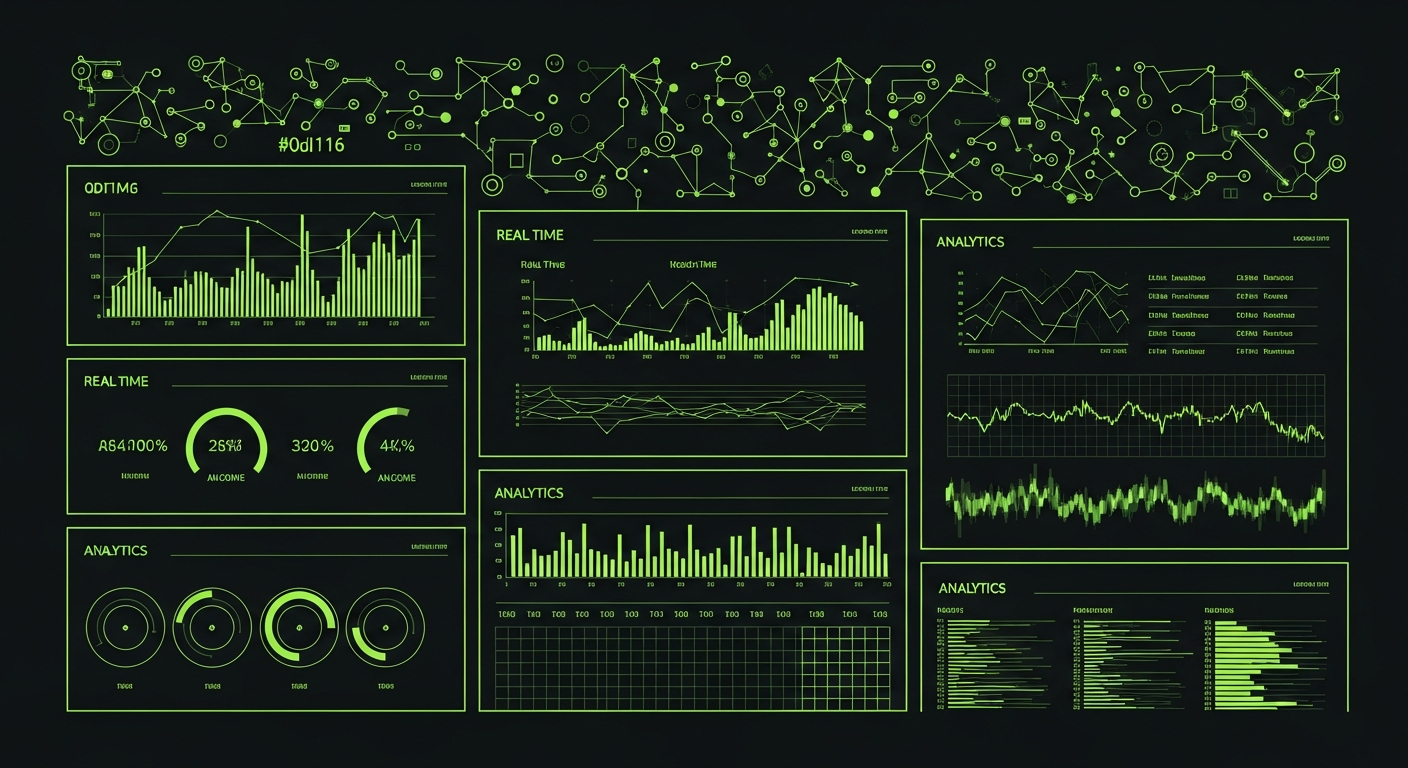
Most agencies hand you a PDF with charts. We give you a dashboard that shows which campaigns drive pipeline, which content converts, and which channels produce revenue.
Revenue-Connected Measurement
There's a difference between reporting and measurement, and it matters enormously. Reports tell you what happened. traffic was up 15%, emails got 28% open rate, ads got clicked 400 times. Those are facts. But facts without context are useless. Measurement tells you what to do next. It connects marketing activity to business outcomes. It answers the question every CEO cares about: "What marketing should we do more of, and what should we cut?"
Most marketing agencies deliver reports. They show you a PDF with 20 pages of charts. traffic by channel, conversion rates by campaign, email metrics by segment. It's all technically accurate. But it doesn't answer the question that matters: "Did this drive pipeline? Did it drive revenue? Should we double down or redirect?" Without revenue connection, you're managing vanity metrics.
Grey Matter builds measurement systems, not reporting systems. We connect every marketing touch to pipeline and revenue. We track which campaigns generated leads that actually turned into qualified opportunities. We measure which content pieces influenced deals that closed. We show you cost per qualified lead by channel, cost per pipeline opportunity, and projected revenue impact per campaign. We identify which channels are efficient and which are wasteful. We show you the full customer journey. not just first-touch or last-touch, but the entire sequence of touches that led to a deal closing.
The result: you know exactly where to invest next. If webinars are generating $8 per pipeline dollar spent and LinkedIn is generating $4 per pipeline dollar, you scale webinars and recalibrate LinkedIn. Measurement drives strategy.
What We Measure
Our Reporting Stack
We build custom measurement systems using best-of-breed tools. The tool stack depends on your specific setup, but here's what a typical integration looks like:
The magic isn't in the individual tools. it's in how they talk to each other. We create data pipelines that flow information from your marketing platforms to a central data warehouse, then into dashboards that non-technical stakeholders can actually understand. We automate data pulls and dashboard updates so you're always looking at fresh data. We build custom calculated fields that connect marketing metrics to pipeline and revenue. We create attribution models that work for your specific sales cycle.
You own all your data. There's no proprietary Grey Matter system that locks you in. If you decide to work with another agency, all your data and dashboards come with you. Transparency and ownership matter.
AI-Powered Insights
Modern measurement systems need to be intelligent, not just informative. We layer AI and machine learning on top of your data to surface insights you would miss through manual analysis. Automated anomaly detection flags unusual patterns. if your conversion rate suddenly drops 40%, we spot it in real-time and alert your team.
Natural language reporting transforms raw data into plain-English insights. Instead of staring at a spreadsheet, you get a narrative: "Revenue-influenced marketing pipeline grew 18% this month, driven primarily by [campaign name] and content downloads from [content piece]. Cost per qualified lead improved 12% due to audience refinement in paid search. However, organic conversion rate declined 8%, suggesting [potential cause]. Recommended action: [specific next step]." This is how non-technical stakeholders actually understand data.
Performance forecasting models look at historical trends and market signals to predict what's likely to happen next quarter. If you have historically seen Q4 demand spike 40%, the model will forecast that. If you're trending toward a pipeline shortfall, the model alerts you so you can course-correct. This shifts measurement from reactive to proactive.
What Reporting Looks Like
We structure reporting around decision-making cadence, not arbitrary frequency. Different stakeholders need different information at different intervals.
WEEKLY PULSE
Automated dashboard sent to your team every Monday morning. High-level metrics: pipeline created this week, leads generated, qualified opportunities, revenue influenced (if deals closed), key campaign performance. No narrative. just the vital signs. The dashboard is always available for deeper exploration. This is for marketing teams and demand generation leaders. The question: 'What happened this week and do I need to take action?'
MONTHLY DEEP-DIVE
Strategic analysis and recommendations. What happened this month? Which campaigns performed well and why? Which underperformed and why? What changed from last month? What are the early indicators for next month? These reports are 15-20 pages, include visualizations, narrative explanation, and specific recommendations. This is for marketing leaders, demand generation directors, and CMOs. The meeting is usually 30-45 minutes of discussion, not presentation.
QUARTERLY REVIEW
Full strategic reset. How did we perform against plan this quarter? What were the major wins and learnings? How does our marketing efficiency compare to historical baselines and competitor benchmarks? What market signals are we seeing? What campaigns should we continue, stop, or modify next quarter? What budget reallocation would improve results? These are executive-level conversations involving marketing, sales leadership, and sometimes the CEO/CFO. The output is a revised plan for next quarter.
This cadence ensures you're always measuring, but not drowning in data. Weekly checks prevent small problems from becoming large ones. Monthly reviews allow for mid-month corrections. Quarterly planning ensures you're strategically aligned.
Frequently Asked Questions
Ready to fix your measurement? Let's talk.
Get a free analytics audit and see where your measurement gaps are.